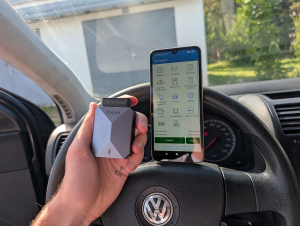
Online health monitoring app This refers to apps that help organize daily information: what you ate, how much you walked, how many hours you slept, and what time you need to take your medication. They function like a digital notebook. The phone doesn't perform tests or measure anything on its own—you input the data into the app, or an external device connected to it, such as a scale or a smartwatch, does the work.
This already helps a lot. Having everything recorded in one place makes it easier to see patterns over the weeks and allows you to bring organized information to the appointment. But it's important to start with the right expectations: none of these apps diagnose disease, replace laboratory tests, or eliminate the need for professional follow-up. Consultation by telemedicine It exists and is useful, but it's a separate service offered by health plans, clinics, and providers—it's not a feature of the registration apps listed below.
Benefits of online health monitoring app
The main benefit is consistency. Writing down meals, workouts, and medication times on paper is laborious, and most people give up in the first week; with the app, the record takes seconds and is saved. For those living with a chronic condition, such as diabetes or hypertension, this organized history helps the doctor understand what happened between appointments. The app doesn't control the disease: it stores what you and your devices record.
Some apps generate graphs and suggestions based on what has been entered, and that's where caution is advised: these numbers are... estimates. Calories burned, distance measured by GPS, and heart rate read by a smartwatch all have a margin of error. And no regular cell phone measures blood pressure or glucose. If such a value appears in the app, it came from you typing it in or from a separate measuring device—a blood pressure monitor or a glucometer. The app's role is simply to store and display this information in order.
Aplicativos recomendados para controle de saúde
The five apps below can be downloaded for free, and all sell subscriptions with extra features — the size of the free portion varies considerably from one to another. Before installing, open the app's page in your phone's official app store and check what's included for free and how much the paid plan costs. Some of them have changed names over the years, so if you can't find it by name, search for the developer.
1. MyFitnessPal
O MyFitnessPal It's a food diary. You record what you ate, and the app adds up calories and nutrients using a food database, with a barcode reader for packaged products. It's useful for those who want to keep track of what they consume throughout the day and monitor their weight progress without relying on memory.
The values are approximate: they depend on whether the item chosen from the database corresponds to what you actually ate and whether the portion size is correctly entered. The app also connects to watches and bracelets to import steps and workouts. More detailed nutrient readings and most reports are available in the paid plan. For restricted diets, the meal plan is created by a nutritionist, not the app.
2. Runtastic
O Runtastic It tracks running, walking, and cycling using your phone's GPS. At the end of the activity, it shows distance, time, pace, and an estimate of calories burned, and saves your history so you can compare your outings throughout the month. It's a good boost for anyone trying to create an exercise routine.
It's important to remember that this is a fitness app, not a medical tracking app. GPS accuracy varies with signal strength, especially between buildings, and calorie expenditure is calculated based on your weight and pace, not a measurement. Training plans and advanced features are part of the subscription. If you are starting to exercise after a long period of inactivity, or have any heart problems, talk to a doctor first.
3. Sleep Cycle
O Sleep Cycle It tracks your sleep using the microphone and the device's movement throughout the night. It can sound an alarm within a time window you set, trying to catch a moment when you are lighter in sleep, and in the morning it shows a summary of the night with the times you moved or made noise.
What appears on the screen is an estimate based on sound and movement, not a sleep study. The app does not diagnose insomnia or sleep apnea, and should not be used for that purpose. If you snore heavily, wake up tired almost every day, or feel sleepy during the workday, the best course of action is to see a doctor—the test that investigates this is polysomnography, performed in a clinic with sensors on the body. The app's history can, at most, become an additional piece of information to take to the consultation. Some features are paid.
4. Medisafe
For those who take several medications a day, the Medisafe It solves a real problem: forgetting doses. You register the medication, the dose, and the times, and the app notifies you at the right time, records whether you took it or skipped a dose, and keeps the list organized, even for those who have been using continuous medication for years.
It's also possible to authorize a family member to receive a notification when a dose is missed, which helps those caring for an elderly person. This works with the knowledge and authorization of the person taking the medication—it's not a tool for monitoring anyone. And the obvious rule applies: starting, stopping, changing, or adjusting the dose of any medication is the doctor's decision, never the app's. Additional features are available in the paid version.
5. Calm
O Calm It's an app with guided meditation, breathing exercises, and sounds to help you relax or fall asleep. It's useful for creating a midday break or a bedtime routine, and works well for those who have never meditated before and need someone guiding them step-by-step.
It's about well-being, not treatment. Meditation can help you relax, but it doesn't treat anxiety, depression, or any other disorder—that's the job of a psychologist or psychiatrist. If you're going through a difficult time, seek professional help; in Brazil, CVV offers free support 24 hours a day by calling 188. Most of Calm's content is available through a paid subscription.
Features of a health monitoring application
In practice, a health management app does four things. It saves what you type: weight, meals, blood pressure readings from your arm cuff, blood glucose readings from your glucometer. It receives data from connected devices, such as watches, wristbands, and digital scales. It reminds you of schedules, especially for medication. And it organizes everything into a graph, so you can see the trend for the last month instead of trying to remember everything by heart.
O que esses aplicativos não fazem
No ordinary cell phone measures blood pressure or glucose. There is no reliable tool that reads these values through the camera, screen, or by a finger touching the device—be wary of any app that promises this. When such a number appears on the screen, it was typed in by you or comes from a dedicated, approved measuring device connected to the phone. Apps also don't diagnose disease, don't prescribe medication, and don't replace medical examinations. Heart rate, sleep, and calories measured by a watch or cell phone are estimates with a known margin of error. Use this data to support your conversation with your doctor, not as a definitive result.
One last word of caution: health data is sensitive information. Before registering medication, weight, and medical history, check what permissions the app requests, whether it requires an account, and what the privacy policy says about sharing. Always download from your phone's official app store, never from files sent in group messages or from websites offering a "full, unlocked version.".
Conclusion
One online health monitoring app Essentially, it's an organized notebook: it records, remembers, and displays your history. Used this way, it truly helps—taking your medication on time, sticking to your weekly workout routine, sleeping more regularly, and arriving at your appointment with accurate data instead of "I think it's been about three months." What it is not: a measuring device, an exam, or a doctor. Keeping that distinction in mind, any of the five apps mentioned here can be very useful in everyday life.